Earn Steady Income From Community Solar or Battery Storage on Your Illinois Land:
Reliable Income for Landowners. Resilience for Communities.
Lightstar Renewables develops community solar and battery energy storage systems (BESS) on private land across Illinois, specializing in standalone energy storage origination, development, and EPC management from site selection through construction. You keep ownership of your property and earn fixed lease income — whether your land is a fit for solar, storage, or both.
In many cases, solar and battery storage projects can coexist with farming, grazing, or other land uses. Lightstar works with you to determine what's possible for your specific property, at no cost and with no obligation.
Why Consider Leasing Your Land?
As a developer of solar and battery storage projects, Lightstar guides you through every step and answers your questions along the way. Landowners partner with us for a few clear reasons:
Why Illinois Landowners Choose Lightstar

Competitive Lease Rates
Long-term lease agreements provide dependable, fixed financial returns, regardless of weather or market swings.

Flexible Land Use
Many Lightstar projects are compatible with continued farming, grazing, or other uses of the land.

Low-Impact Development
Both solar and battery storage installations are designed to have a light footprint and can be sited on a range of property types, from agricultural land to commercial parcels.
Curious whether your land qualifies? Contact us and a member of our Illinois team will follow up directly.
How Solar and Battery Storage Leasing Works in Illinois
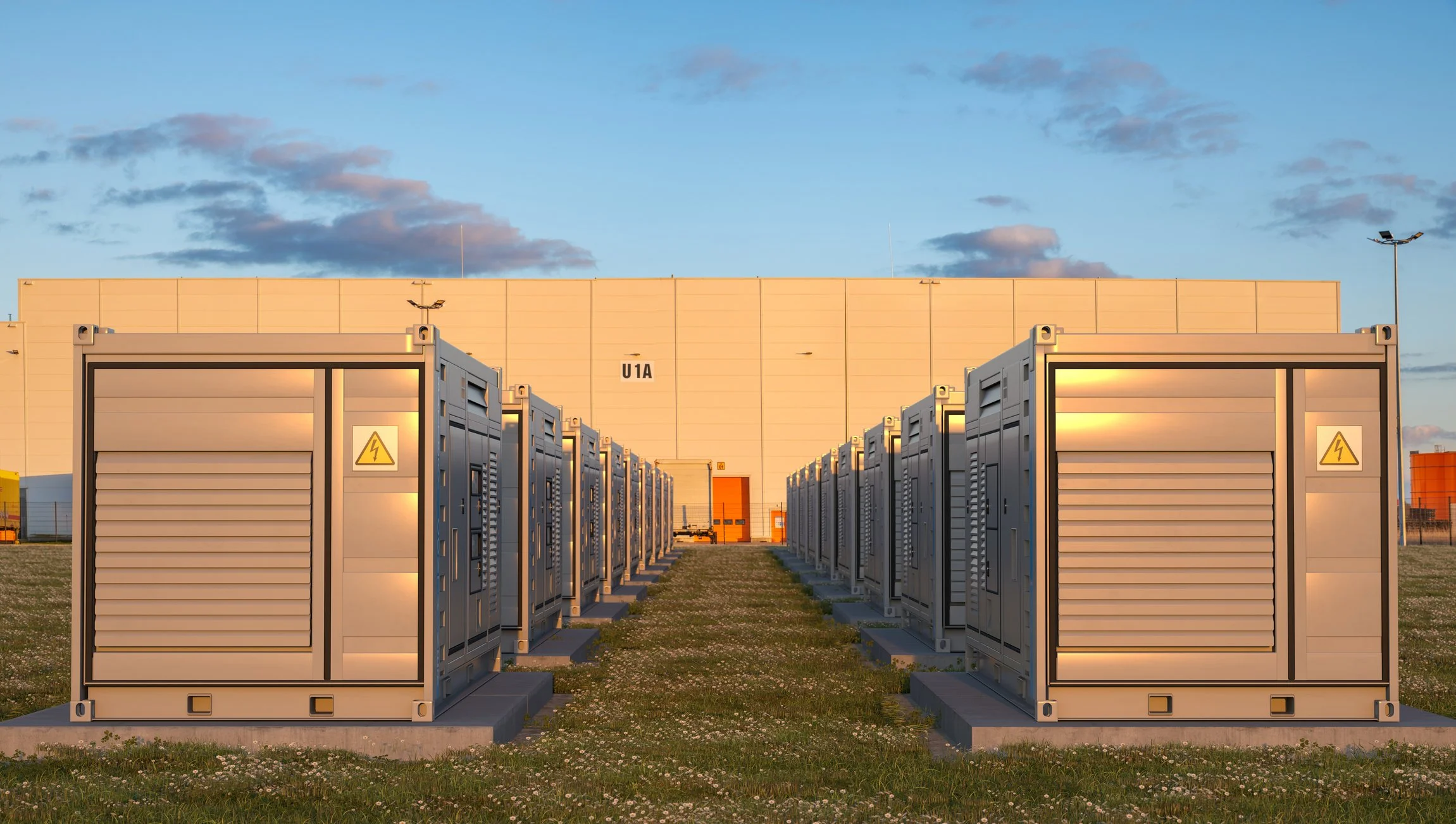
Illinois landowners benefit from Lightstar's experienced development team from start to finish. We manage the process end-to-end so you don't have to.
Get a Custom Offer - We evaluate your property and provide a lease offer with clear, fixed financial terms.
Lightstar Manages the Entire Process - From permitting through construction and ongoing maintenance, Lightstar handles every stage of development and operation.
Earn Reliable Income - You receive steady lease payments for the life of the project with no operating responsibilities on your end.
To start, most landowners in New York, New Jersey, Illinois, and Massachusetts simply request a free, no-obligation site assessment.
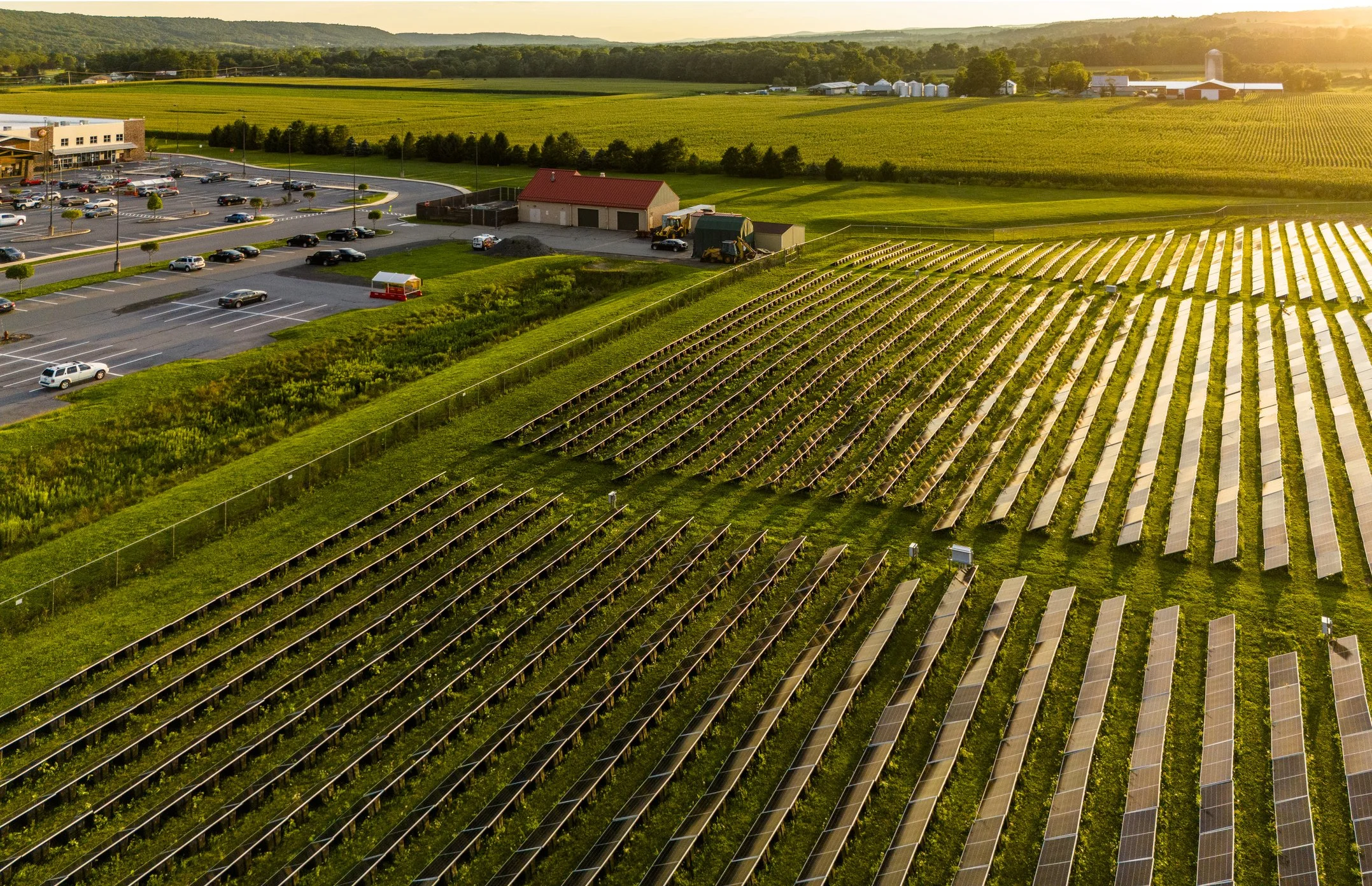
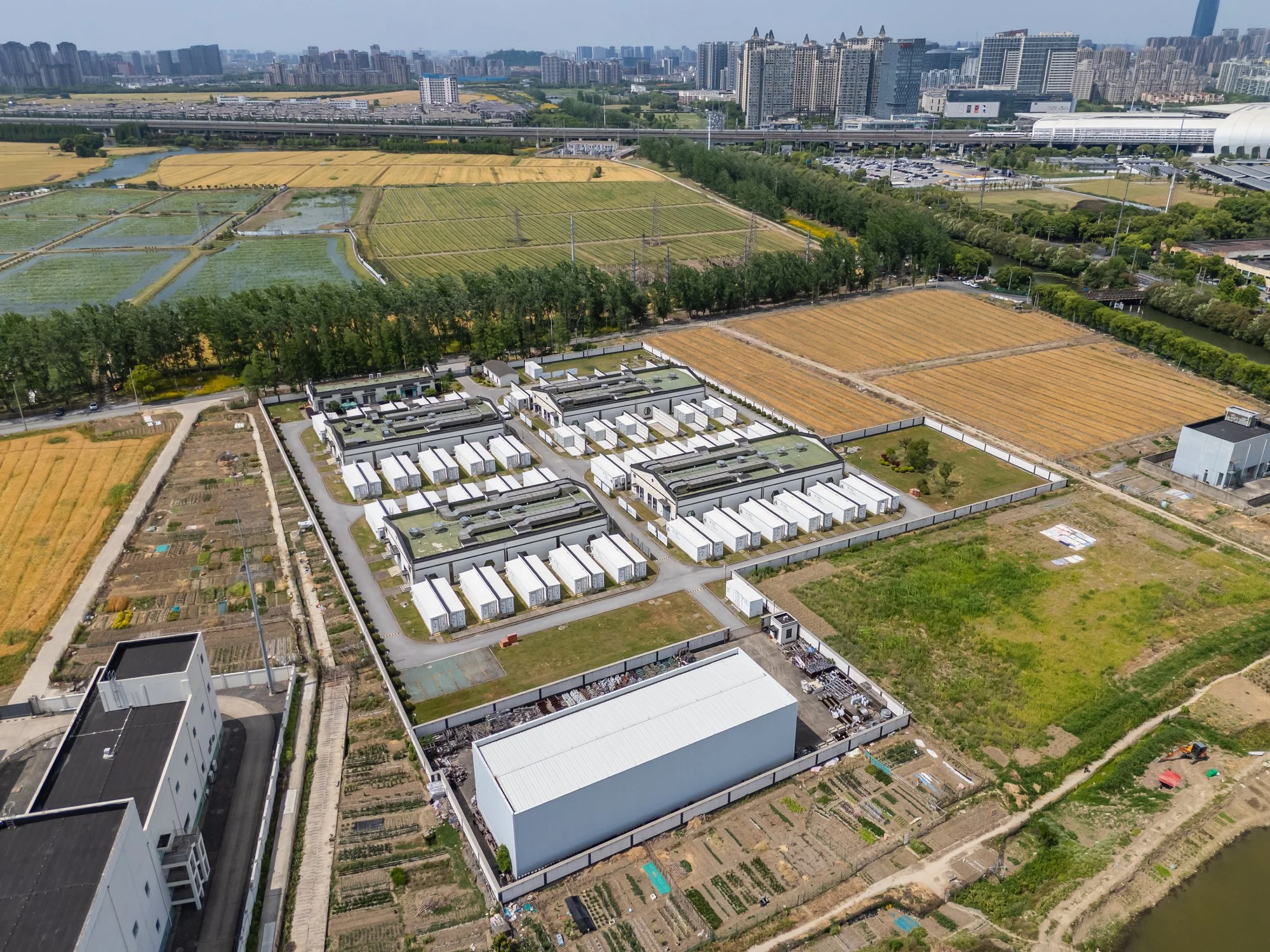
Battery Storage on Your Land
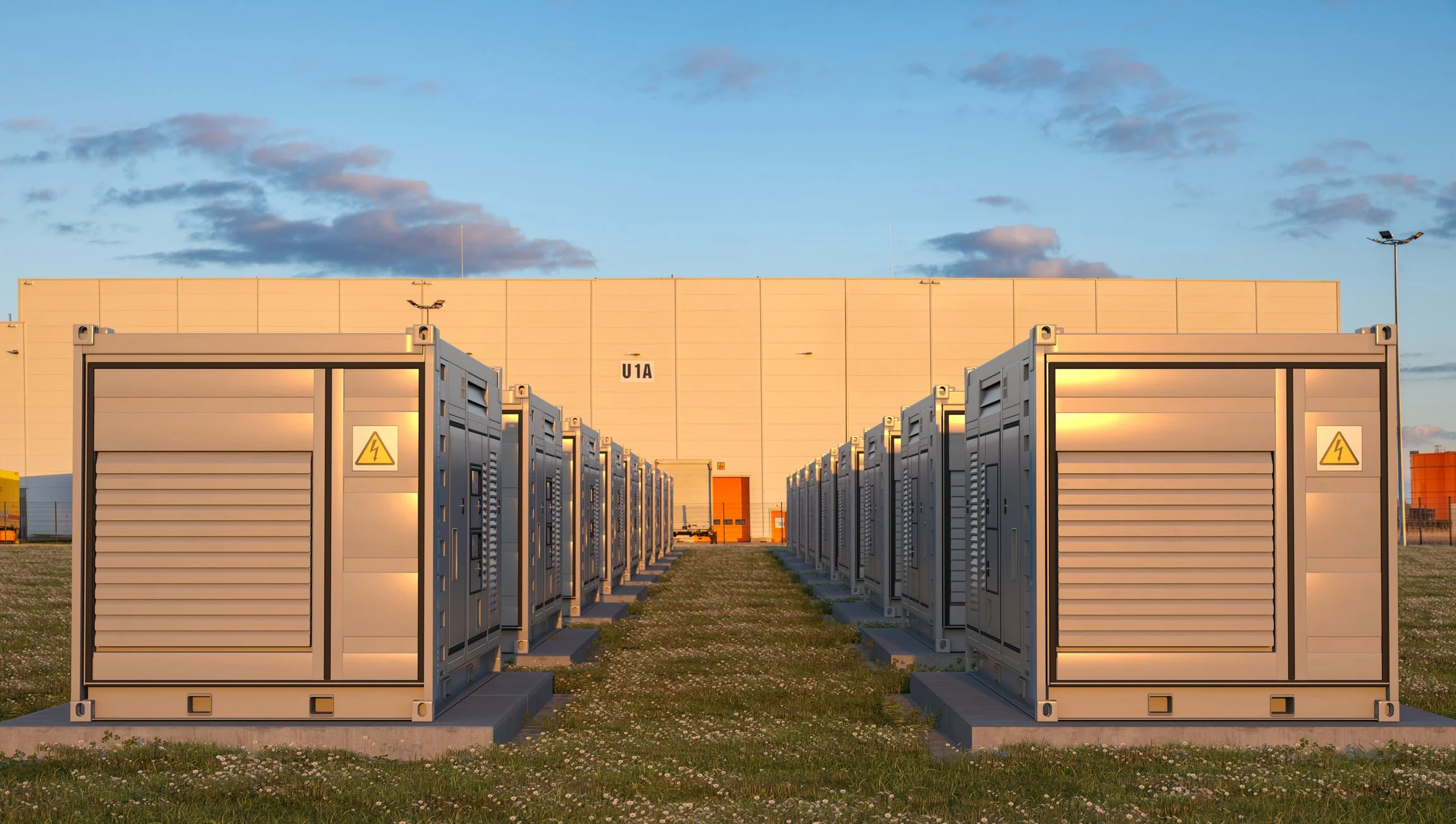
Interested in hosting standalone energy storage? Battery storage systems have a significantly smaller footprint than solar and may be ideal for landowners with smaller adjacent space. Lightstar designs the system — you simply host it and collect lease income.
Two Ways to Put Your Illinois Land to Work
Different properties, different opportunities. Find the standalone battery storage path built for your land.
Illinois Is Scaling Clean Energy Fast — And Land Is Central to That Growth
Illinois's Climate and Equitable Jobs Act (CEJA) set a target of 100% clean energy by 2050, and programs like Illinois Shines (the Adjustable Block Program) and Illinois Solar for All have made the state one of the most active solar markets in the Midwest. As battery storage adoption accelerates alongside this build-out, particularly to firm up intermittent renewable generation and support grid reliability across ComEd and Ameren territory — well-positioned land is becoming a valuable and increasingly sought-after asset for Illinois landowners.
Lightstar actively evaluates our Illinois projects for program eligibility and plans to submit select projects for this cycle — while also monitoring ongoing regulatory proceedings that are expanding energy storage opportunities statewide. As Illinois policy moves quickly, Lightstar moves with it, so our projects stay competitive, compliant, and built for long-term impact.
Community Solar on Your Land
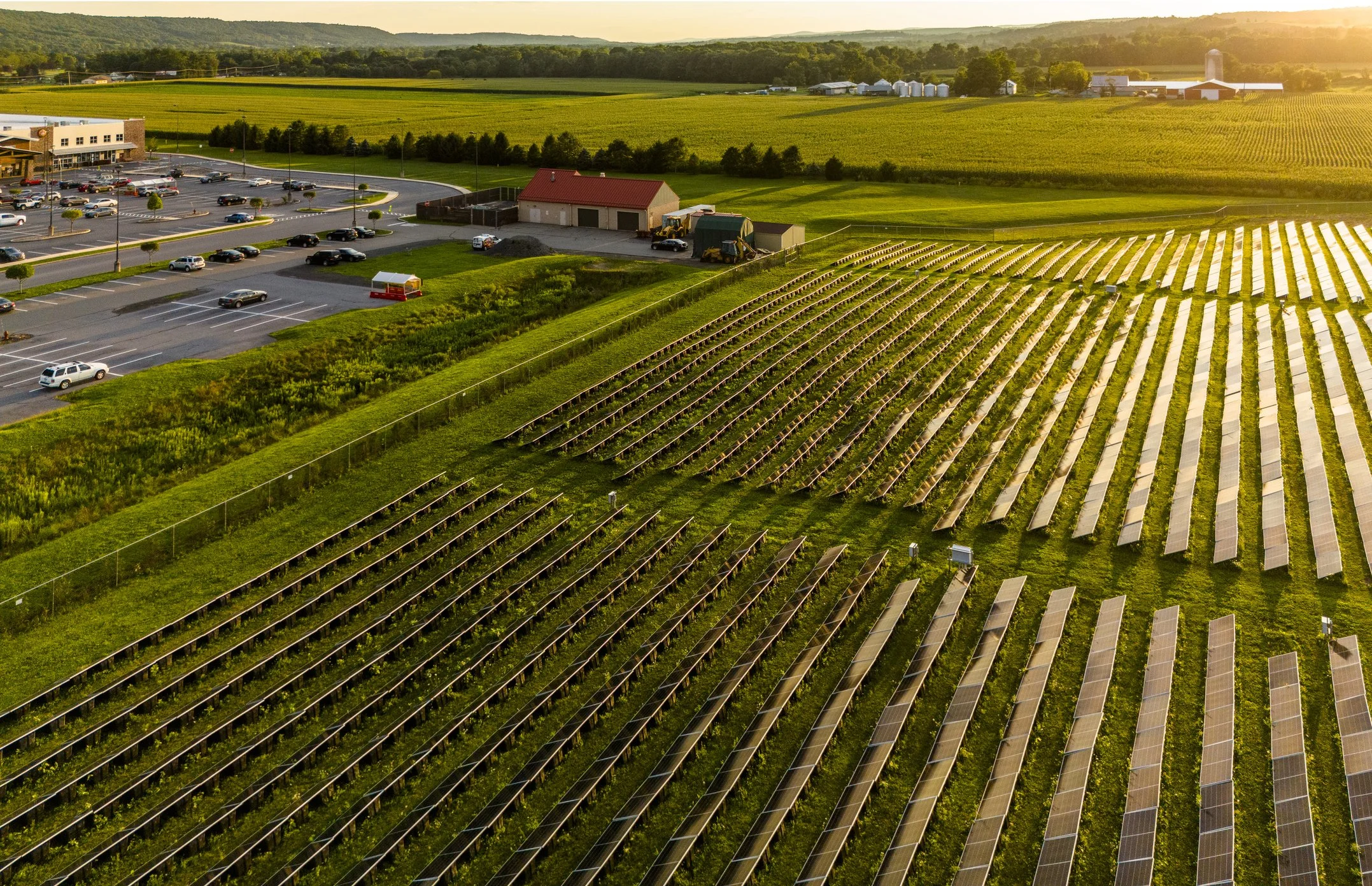
Lightstar develops community solar arrays that generate clean electricity for the local grid while subscribers save on their energy bills. Community solar typically requires more acreage than battery storage, and is well suited to larger open parcels.
Solar and battery storage development is accelerating across Illinois, and well-positioned land is central to that growth.
What Illinois Landowners Should Know
Leasing land for solar or battery storage is a long-term decision. Here's what to expect:

Lightstar Is Building Illinois’s Clean Energy Future
Land Use — Landowners agree not to install permanent structures within the leased area during the term of the lease, but can typically continue other uses as agreed during development.
Decommissioning — At the end of the lease, Lightstar is responsible for removing the installation and returning the land to its prior condition, as required.
Learn More About Leasing Land
Leasing land for solar or battery storage is a long-term decision. Here's what to expect:
Community Solar — Lightstar owns and operates community solar farms across Illinois to provide clean, local energy.
Battery Storage — Lightstar builds battery storage systems that stabilize the grid and generate steady lease income for landowners.
Lease Duration — Lightstar offers leases of 20+ years, with options to extend.
Agrivoltaics & Dual-Use — Landowners across Illinois can maximize the value of their land through agrivoltaics and dual-use.
Illinois Solar & Storage Frequently Asked Questions (FAQ)
Get the Facts on Solar and Battery Storage Leasing in Illinois
-
Lightstar Renewables develops community solar and battery energy storage (BESS) projects on private land across Illinois, managing everything from site selection through construction.
-
No. You retain full ownership of your land. Lightstar leases the property for a fixed term and pays you steady lease income in return — you don't sell or transfer the title.
-
It depends on the project type. Battery storage systems have a small footprint and can fit on modest parcels, while community solar arrays typically require more acreage, often several open, unshaded acres. Lightstar assesses each property individually through a free site evaluation.
-
Yes. Solar panels are made of non-hazardous materials, and battery storage systems are engineered and sited according to Illinois state and local safety codes, with oversight from local fire and emergency management officials during permitting.
-
Solar farms are silent. Battery storage systems produce minimal sound and are designed to be inaudible beyond a short distance from the site perimeter.
-
Timelines vary by project and by Illinois's local permitting and interconnection processes, but development typically takes one to two or more years from signing an agreement to construction.