
Battery Energy Storage Systems (BESS):
Reliable Income for Landowners. Resilience for Communities.
Standalone Battery Storage That Rewards Landowners and Strengthens Local Grids
Lightstar develops standalone battery energy storage systems (BESS) for landowners, commercial property owners, and municipalities across New York, New Jersey, Illinois, and Massachusetts. We turn underused land into dependable lease income while delivering cleaner, more resilient power to local communities
What Is a Standalone BESS?
What Is a Standalone BESS?A battery energy storage system captures electricity when demand is low and releases it when demand is high. This keeps the local grid stable, lowers energy costs, and provides backup power during outages.Lightstar develops standalone BESS - battery systems that connect directly to the grid without an attached solar array. Our projects are sized for individual landowner and site needs, not large utility corridors. Most occupy roughly 5 acres, with hardware configured to each property's characteristics and interconnection potential.This site-specific, non-utility-scale approach means smaller footprints, faster siting, and dependable long-term revenue for the landowners and communities that host our projects.
How It Works

Minimal Space Impact
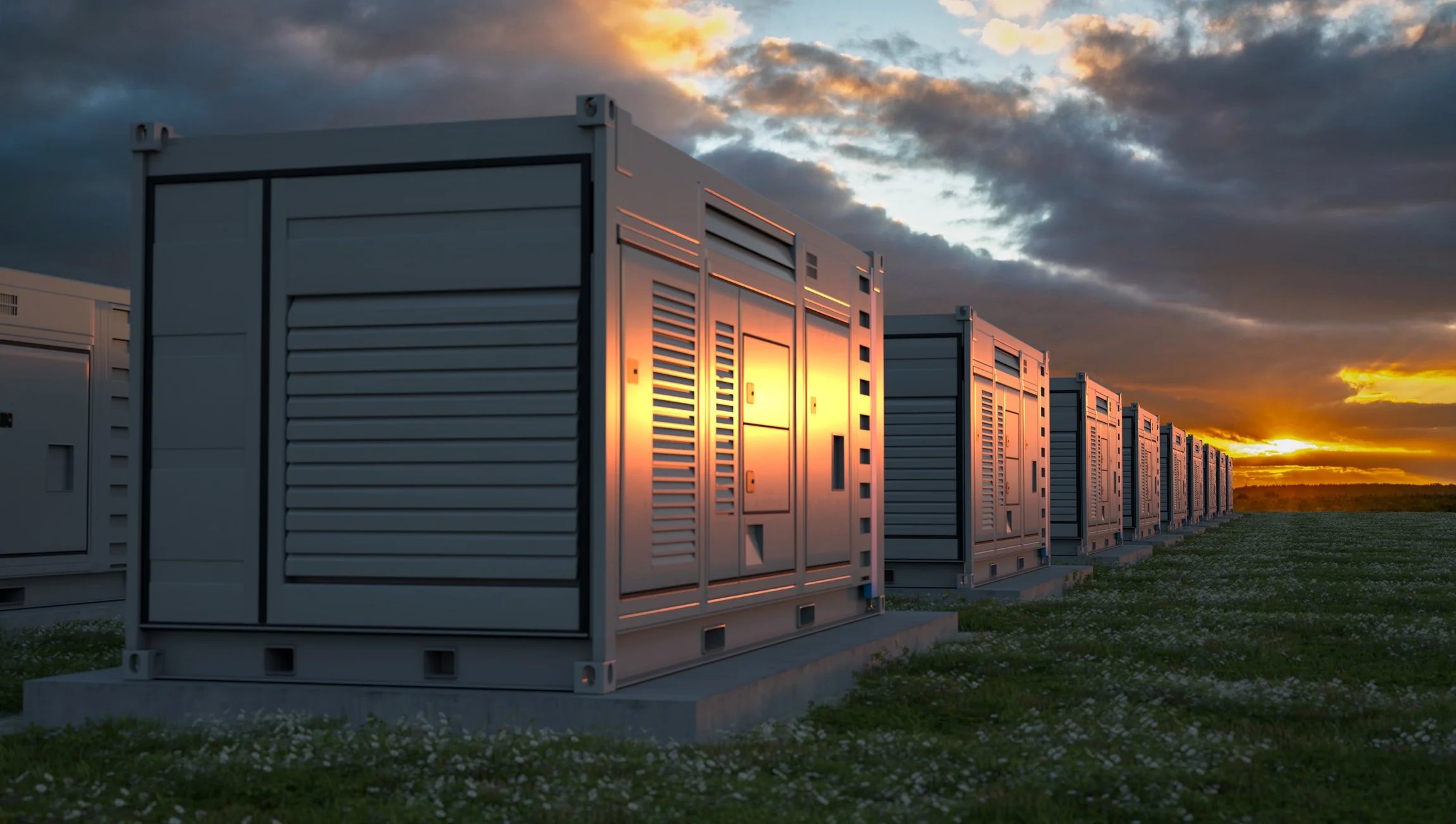
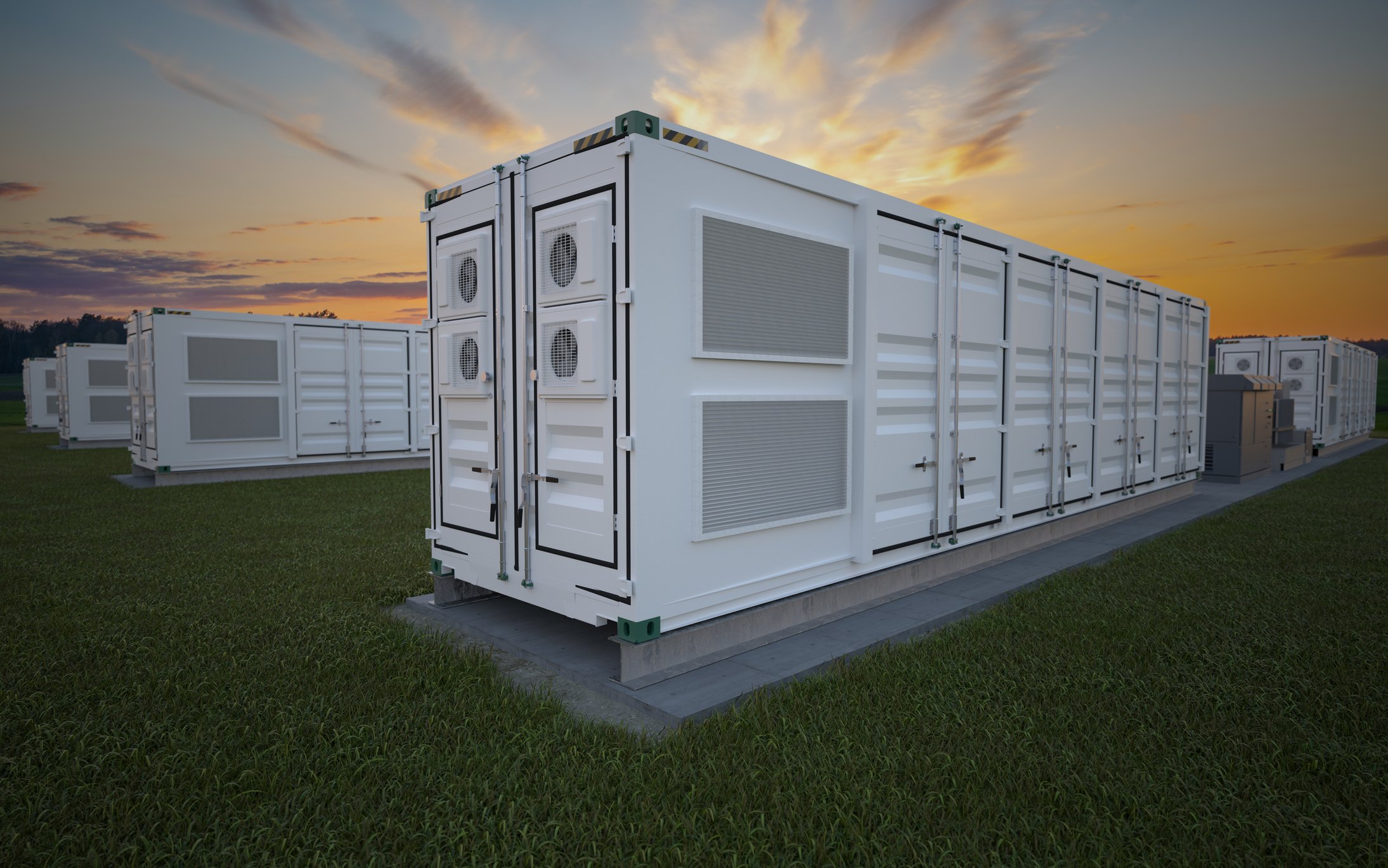
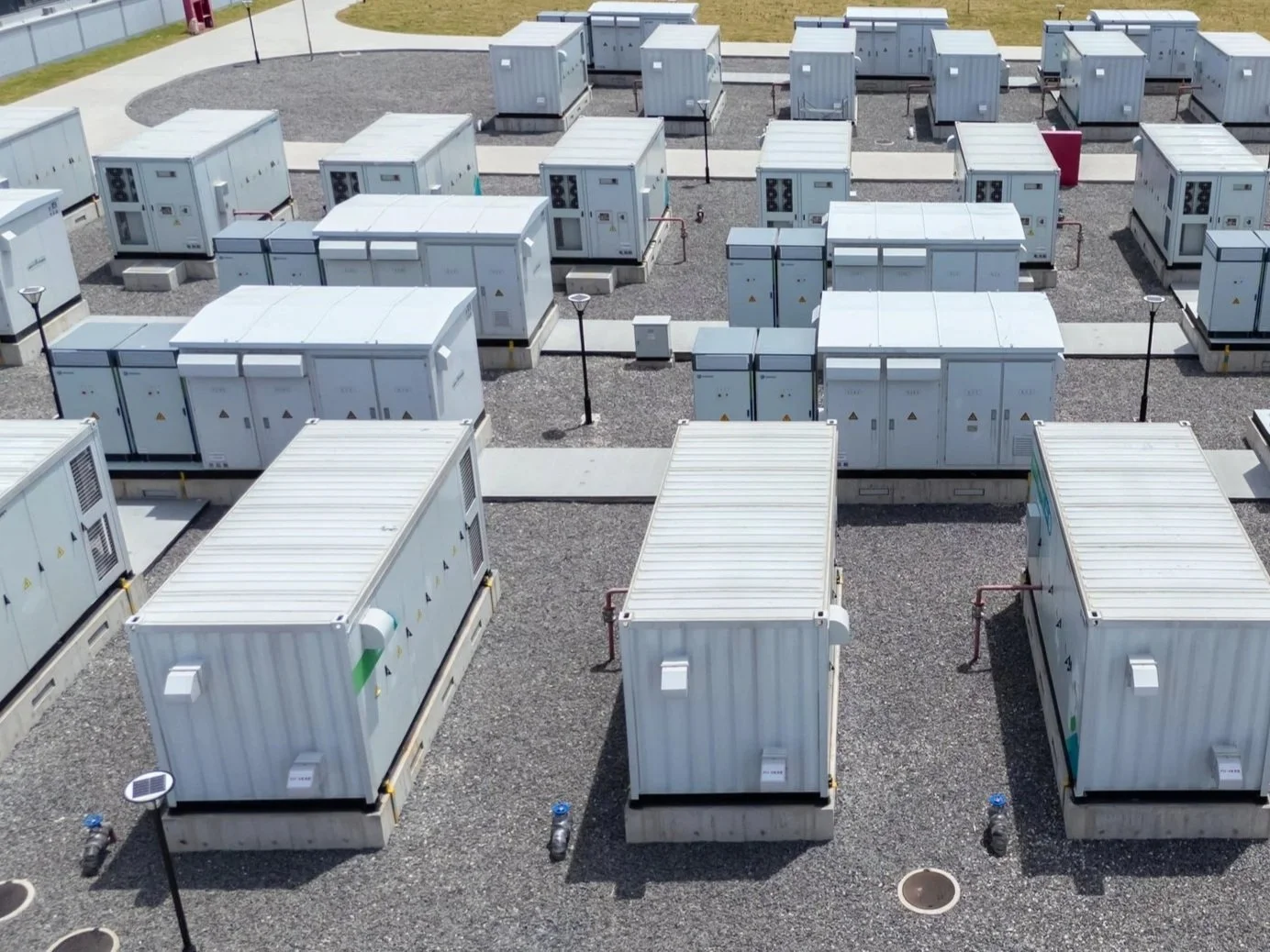
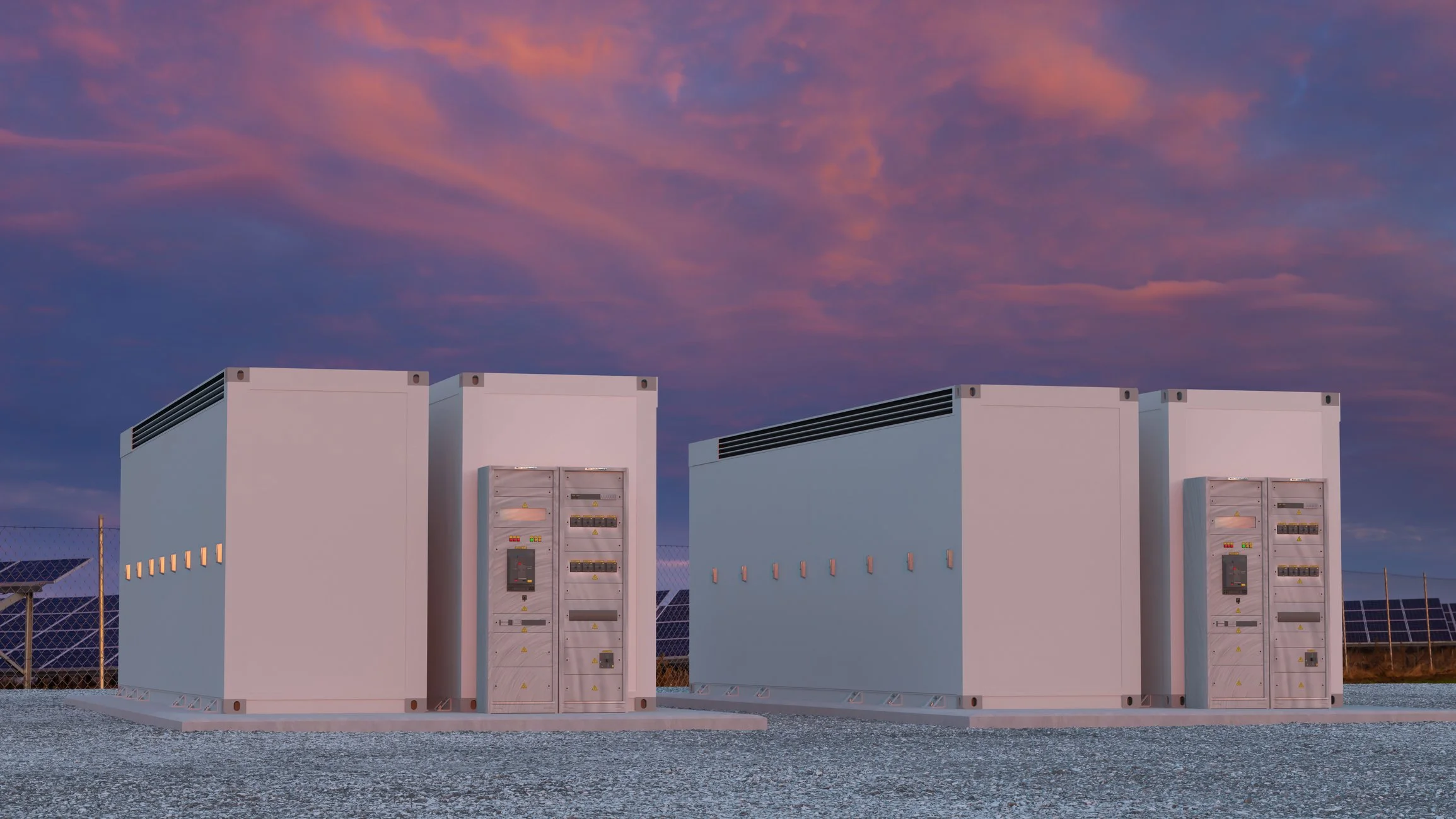
Each unit is roughly the size of a shipping container. Systems include battery stacks, temperature and fire safety controls, and an internal monitoring computer - all within a compact, land-friendly footprint.
Energy Capture & Storage
During off-peak hours or high renewable output, the system pulls DC electricity and stores it in the battery instead of sending it to the grid - charging at the lowest possible cost.
Discharge & Inversion
When demand spikes or the grid goes down, an inverter automatically converts stored DC power to AC and dispatches it to the grid or specific property loads. No manual intervention required.

24/7 Monitoring, Quiet Operation
Every Lightstar BESS installation is monitored around the clock, every day of the year, and Lightstar manages operations entirely - so landowners have no ongoing responsibilities. The systems also operate quietly, with sound inaudible beyond 100 feet and minimal on-site activity once construction is complete.
Highly Lucrative Lease Revenue
Most Lightstar BESS projects occupy approximately 1 acre — a fraction of the footprint of community solar, with far greater income potential.
Cost Optimization
Many utilities use Time-of-Use (TOU) billing. BESS captures low-cost energy during off-peak periods and dispatches it during expensive peak hours, directly reducing power costs for on-site users.
No Ongoing Responsibilities
Lightstar develops each project. You gain reliable income with no operational involvement.

Key Benefits for Communities
Stronger Grid Resilience
As outages become more frequent, BESS gives communities the tools to recover faster - acting as a local power source for critical infrastructure during severe weather and grid overloads.
Energy Independence
BESS reduces community reliance on the traditional power grid by enabling local storage and controlled dispatch of clean electricity.
Deferred Infrastructure Costs
Battery energy arbitrage - charging when prices are low and discharging when they are high - strengthens grid reliability while deferring costly upgrades to local utility poles and substations.
New Local Revenue
Host municipalities gain guaranteed property tax and lease revenue that supports local budgets and public facilities.
Key Benefits for Landowners
How to Get a Battery Storage System on Your Land
Getting a standalone BESS on your land is a straightforward, five-step process. Lightstar manages every stage:
Request a free site assessment. Share your parcel location and size. Lightstar reviews proximity to grid infrastructure and local zoning.
Review your lease offer. If your land qualifies, you receive a lease proposal with fixed annual payments.
Sign the lease. Lightstar handles permitting, interconnection applications, and coordination with local fire and emergency agencies.
Construction. Lightstar funds and builds the system, which usually occupies about 1 acre.
Earn passive income. Lightstar monitors the system 24/7. You collect fixed lease payments with no ongoing responsibilities.
To start, most landowners in New York, New Jersey, Illinois, and Massachusetts simply request a free, no-obligation site assessment.
Municipalities & Public Entities
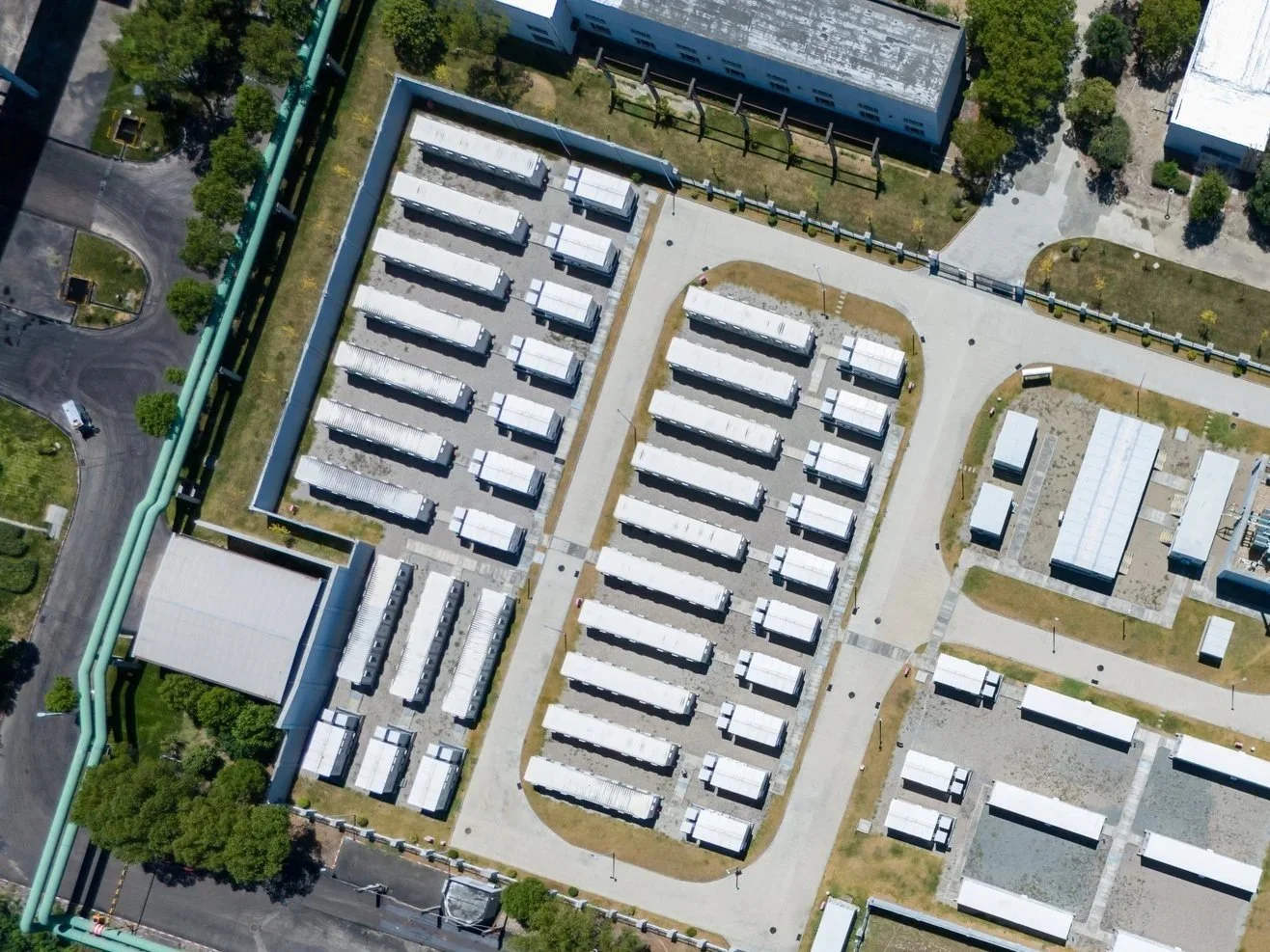
Lightstar partners with cities, towns, counties, and public entities to site BESS projects on municipal land, closed landfills, and public utility parcels — at no cost to the public.
New, guaranteed property tax and lease revenue
Stronger grid resilience for residents and critical public facilities
No public capital required — Lightstar funded
One accountable partner from siting through long-term operation
Safety & Compliance (UL 9540 / UL 9540A)
Safety is foundational to every Lightstar BESS project. We take fire risk and environmental responsibility seriously — engaging local fire departments, emergency management agencies, and permitting authorities before construction begins.
All Lightstar BESS installations meet:
UL 9540 — Standard for Safety of Energy Storage Systems and Equipment
UL 9540A — Test Method for Evaluating Thermal Runaway Fire Propagation
These are the leading national benchmarks for battery storage safety and fire testing. Meeting them means every system is independently evaluated for safe operation and controlled response before it is ever installed near your land or community.
Our safety protocol includes:
Site-specific emergency response planning and first responder training
Advanced battery management systems (BMS) with real-time thermal monitoring
Multi-layer fire suppression and physical containment
Fire-resistant barriers and 24/7 operational monitorin
Who We Serve
Different properties, different opportunities. Find the standalone battery storage path built for your land.
Commercial & Industrial Properties
Lightstar develops standalone BESS on underused commercial and industrial land — back lots, buffer parcels, and non-operational acreage.
Passive lease income from currently idle land
Zero interference with active operations
Supports demand charge management, TOU arbitrage, and backup power continuity
Helps properties meet stricter energy standards and support EV charging
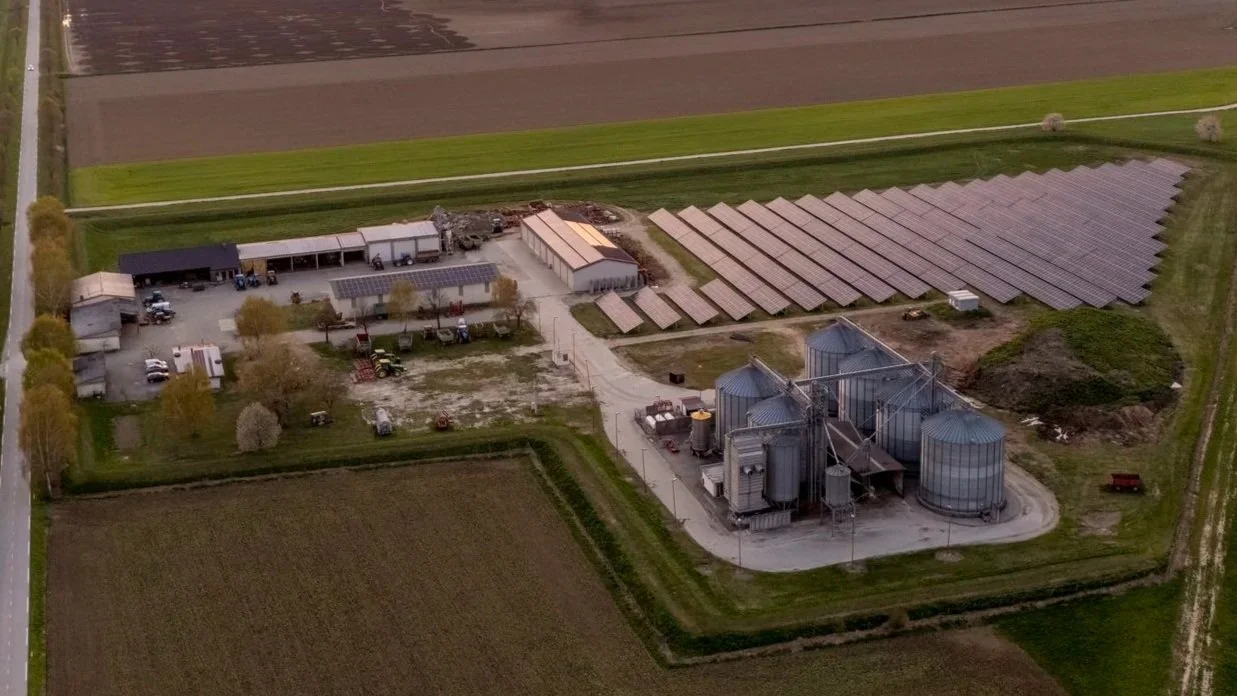
Landowners & Farmers
Turn idle or underused acreage across New York, New Jersey, Illinois, and Massachusetts into dependable, weather-proof income - without selling your land. A battery storage lease delivers fixed payments regardless of commodity markets or growing conditions, making it a practical tool for long-term farm viability and succession planning.
Landowners across New York, New Jersey, Illinois, and Massachusetts choose Lightstar to develop battery storage on their property for clear reasons:
Proven Track Record
Lightstar is an established developer of community solar and agrivoltaics (AgPV). Landowners trust us to respect their property, navigate complex regulatory environments, and deliver on our commitments.
Mission-Driven Development
We build projects that deliver resilient power, lasting local revenue, and stronger grid stability - not just ground leases.
Full-Service Partnership
One accountable partner from first site assessment to final restoration - our interests stay aligned with yours for the full project term.
Engineered for Your Site
Every project is tailored to site-specific variables:
System Sizing — from targeted installations to modular setups that grow with your goals
AC vs. DC Coupling — DC-coupled for new solar installs; AC-coupled for existing solar retrofits
Installation Environment — optimized for temperature, orientation, and terrain
Why Lightstar Is a Trusted BESS Developer for Landowners
BESS Policy & Market Drivers
Storage policy is evolving rapidly, and understanding it helps landowners and communities plan for the long term. Key developments shaping the standalone BESS market include:
Federal ITC eligibility for standalone battery storage — a meaningful advantage as incentives for other clean energy technologies tighten
State storage procurement mandates and Renewable Portfolio Standard (RPS) requirements in markets including New York, New Jersey, Illinois, and Massachusetts
FERC Orders 2023 and 2023-A — interconnection reform that streamlines how new storage connects to the grid
Local zoning and land-use regulations that affect siting and permitting
Lightstar monitors federal and state policy continuously and advocates for frameworks that support landowners, communities, and the long-term health of the U.S. grid.
Frequently Asked Questions
-
Likely yes, if your parcel sits near existing transmission or distribution infrastructure and local zoning allows it. Eligibility depends on your site's grid proximity and interconnection potential. Contact us for a free site assessment to confirm whether your land qualifies.
-
Most standalone BESS projects require approximately 1 acre — far less than community solar, with significantly higher income per acre. Unit sizes range from 3 kWh to 15+ kWh, making Lightstar's systems suitable for small parcels and larger tracts alike.
-
Lease terms are long-term and designed to deliver dependable, predictable income for the life of the project. Exact length depends on the project and site specifics. We'll walk you through the full terms during your site assessment.
-
No. Systems are entirely inaudible beyond 100 feet. Lightstar monitors every installation remotely, 24/7, with minimal on-site activity after construction.
-
We engage with local fire departments and emergency management agencies before construction begins on every project. All installations meet UL 9540 and UL 9540A standards and incorporate advanced thermal monitoring and multi-layer fire suppression.
-
Yes. BESS projects generally qualify for the 30% federal Investment Tax Credit (ITC) — a meaningful advantage at a time when incentives for other clean energy technologies are tightening.
-
A Lightstar BESS generates consistent property tax revenue for the host municipality and provides dispatchable power that supports local infrastructure during peak demand, severe weather, and grid disruptions — at no cost to the public.
-
A well-sited BESS project has minimal impact on surrounding properties thanks to its small footprint, quiet operation, and low activity levels. For working farms and commercial sites, projects are placed on idle or underused acreage to avoid interfering with active operations. We plan every site to fit responsibly within its surroundings.
-
Lightstar manages the permitting process and works directly with local zoning and permitting authorities on every project. We engage fire departments and emergency management agencies before construction begins to ensure each site meets local requirements. You won't need to navigate the regulatory process alone—our team handles it end to end.
Find Out What Your Site Could Do
Standalone battery storage delivers results that standard solar projects simply cannot match — a compact 5-acre footprint, near-silent operation, 24/7 remote monitoring, and high lease income. Whether you own farmland, a commercial parcel, or a public property, Lightstar will assess your site and provide a clear, honest picture of what it could earn — and what it could mean for your community.
No cost. No obligation. Just clear answers about what your site could earn.